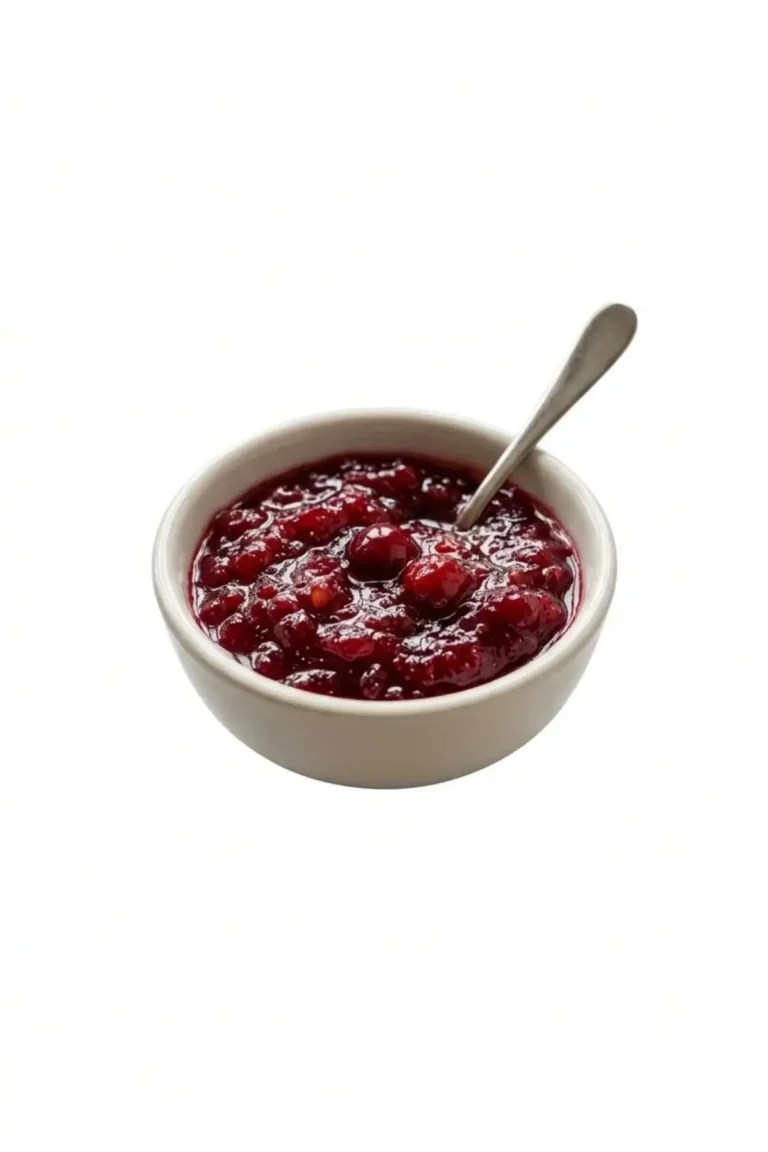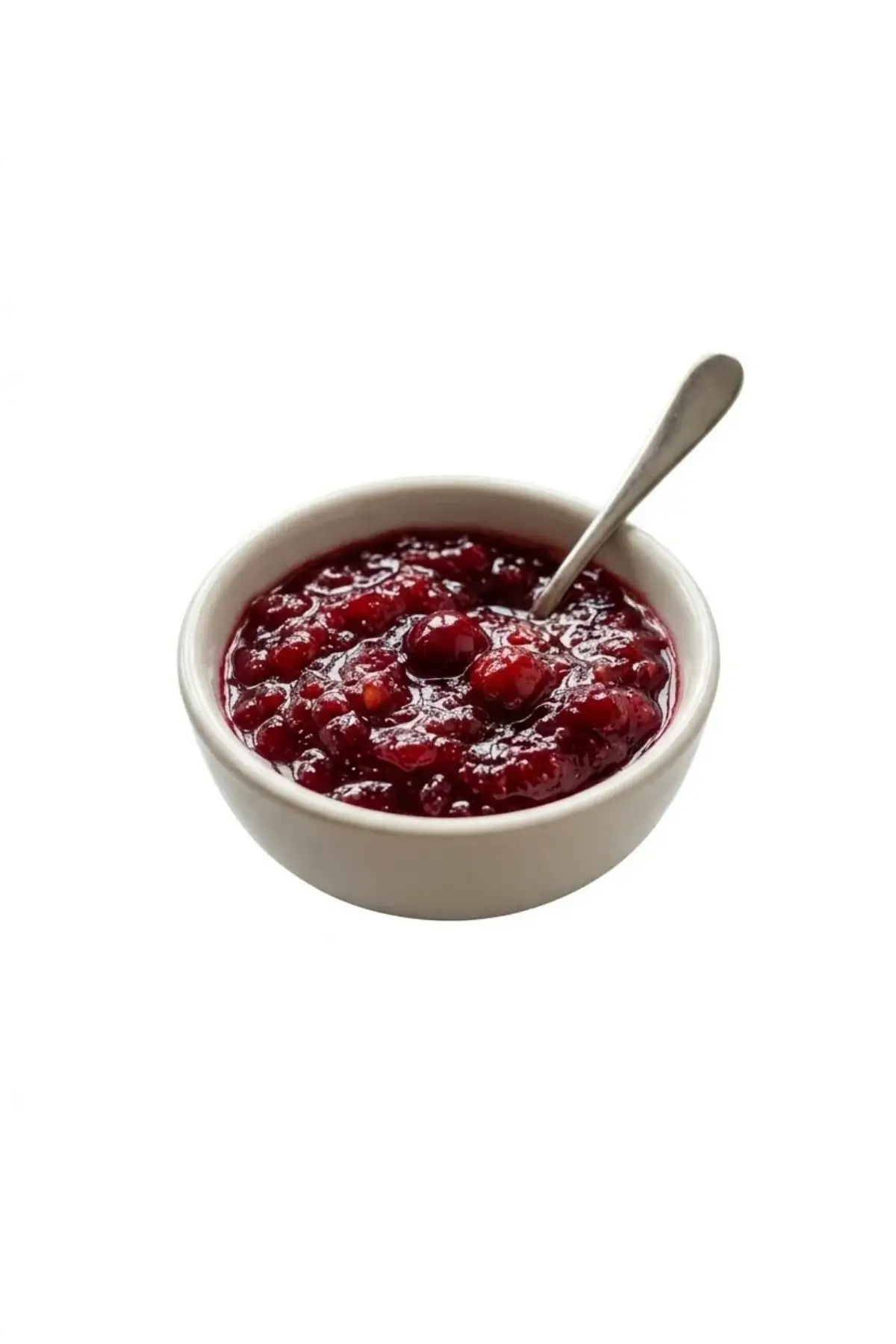
Cranberry Jam
Welcome to your complete guide for making Cranberry Jam at home. Tart berries, balanced sweetness, and a glossy, spoonable texture come together in a small-batch preserve that elevates everyday breakfasts, holiday tables, cheese boards, and roasted meats. Whether you are cooking with fresh autumn berries or stocking up from your freezer, Cranberry Jam gives you control over sweetness, texture, and aroma while relying on the natural gelling power of the fruit itself.
Many people assume homemade jam requires complicated canning gear or commercial pectin packets, yet Cranberry Jam behaves differently from softer berries. Because cranberries naturally contain high levels of pectin and bright acidity, simmering them with sugar and liquid produces a rich, ruby-red spread without fuss. In this guide, you will find the exact ingredient list with Wikipedia links for each ingredient, clear step-by-step instructions, practical advice on distributing and storing jars, creative ways to eat it, a wrapped-up conclusion, and answers to common questions.
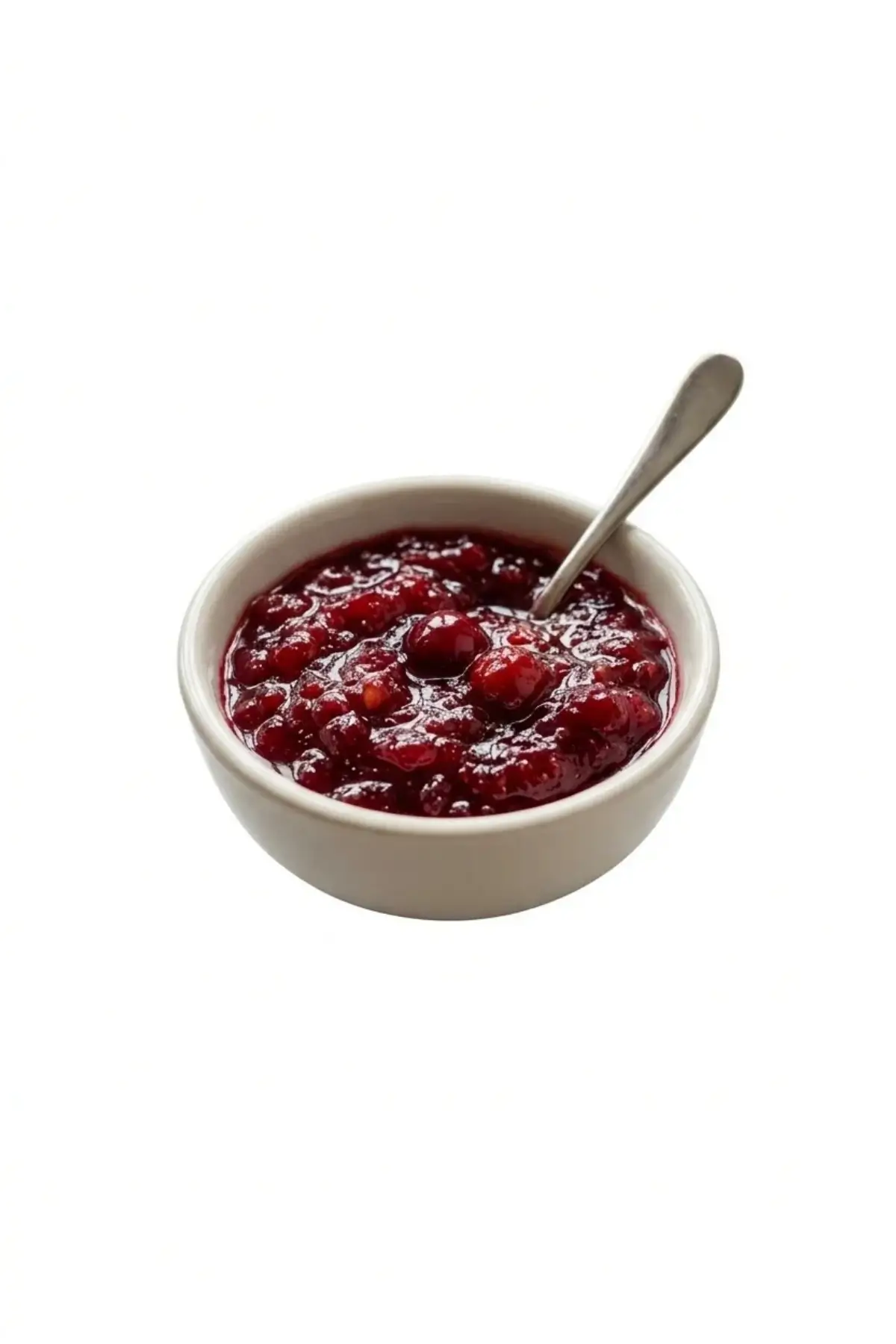
Ingredients for Cranberry Jam
Gather simple pantry staples and fresh or frozen berries before you turn on the burner. Having everything measured and within reach makes cooking Cranberry Jam smooth and prevents scorching once the sugar dissolves.
- 3 cups (about 300 g) cranberries, fresh or frozen (if frozen, do not thaw first)
- 1 cup (200 g) granulated sugar (adjust slightly up or down depending on how tart you want your Cranberry Jam)
- 1/2 cup (120 ml) water
- 2 tablespoons fresh lemon juice (brightens flavor and supports natural gelling)
- 1 teaspoon grated orange zest (optional, for citrus aroma)
- 1/4 teaspoon fine salt (sharpens berry sweetness and balances tartness)
Step-by-Step Instructions to Make Cranberry Jam
Follow these stages carefully so your Cranberry Jam reaches a clean, glossy set without burning on the bottom of the pot.
Step 1: Sort and Prep the Fruit
Tip the cranberries into a colander and rinse them under cool running water. Pick through and discard any shriveled berries, soft spots, or stray stems. If you include orange zest, grate only the bright outer peel so you avoid bitter white pith, and squeeze the lemon juice into a small cup with seeds removed.
Step 2: Combine Ingredients in a Heavy Saucepan
Add the cranberries, granulated sugar, water, lemon juice, optional orange zest, and salt to a medium, heavy-bottomed saucepan. A thicker base distributes heat evenly and protects Cranberry Jam from hot spots while the sugar melts into syrup.
Step 3: Bring to a Boil and Burst the Berries
Set the saucepan over medium-high heat and stir gently until the sugar dissolves and the liquid comes to a lively boil. Within a few minutes, you will hear the cranberries pop as their skins split and release tart juice. Stir occasionally so nothing sticks to the sides.
Step 4: Simmer to Thicken
Lower the heat to medium-low so the mixture bubbles steadily rather than boiling violently. Simmer uncovered for 12 to 18 minutes, stirring every couple of minutes, especially around the edges. As moisture evaporates and natural pectin activates, your Cranberry Jam will coat the back of a spoon and look noticeably thicker.
Step 5: Adjust Texture and Test the Set
Use the back of a wooden spoon or a potato masher to lightly crush some berries if you prefer a smoother spread, or leave more whole halves for rustic texture. Keep in mind that Cranberry Jam thickens further as it cools. To check consistency, spoon a small dab onto a chilled plate for 30 seconds; if it wrinkles gently when nudged rather than running flat like syrup, pull the pan off the heat.
Step 6: Cool and Let It Gel
Remove the saucepan from the burner and let the hot jam rest for 5 to 10 minutes. Resting allows surface foam to settle and gives the fruit fibers time to distribute evenly before you transfer Cranberry Jam into storage containers.
How to Distribute and Store Cranberry Jam
Properly portioning and storing Cranberry Jam keeps its vibrant color and bright fruit flavor intact for weeks or months depending on how you pack it.
Prepare Clean Jars
Wash glass jars and lids in hot, soapy water, rinse thoroughly, and dry them completely on a clean towel before filling. Dry jars prevent extra water from pooling on top of the jam or diluting the set.
Portion Without Mess
Place a wide-mouth canning funnel over each jar and ladle the slightly cooled Cranberry Jam inside, leaving about 1/4 inch (6 mm) of headspace at the top. If a little drips onto the rim, wipe the lip with a damp cloth so the lid seals cleanly without sticky residue.
Refrigerate, Freeze, or Can for Shelf Storage
For quick refrigerator storage, cap the jars once cool and keep Cranberry Jam chilled for up to 3 weeks; it will firm up nicely in the cold. For longer storage without canning equipment, leave extra headspace in freezer-safe jars or containers and freeze for up to 6 months, thawing overnight in the fridge before serving. If you follow a tested boiling-water bath canning method for shelf-stable jars, process according to standard altitude and headspace safety guidelines and check that lids seal properly after cooling.
Ideas for How to Eat Cranberry Jam
Because tartness cuts through richness so well, Cranberry Jam fits far more meals than toast alone. Try these combinations across breakfast, snacks, and dinner plates:
Breakfast and Brunch Spreads
Spoon warm or room-temperature Cranberry Jam over buttered sourdough toast, English muffins, croissants, or warm biscuits. You can also swirl a spoonful into plain Greek yogurt or oatmeal, or spoon it over pancakes and waffles in place of plain syrup for a bright, tangy lift.
Cheese Boards and Appetizers
Serve Cranberry Jam alongside baked brie, camembert, sharp cheddar, or creamy goat cheese with crackers and sliced apples or pears. It also makes a standout layer in turkey, brie, and arugula sandwiches or on crostini topped with whipped ricotta.
Savory Roasts and Glazes
Brush Cranberry Jam over roasted chicken, pork tenderloin, duck, or glazed ham during the last few minutes of baking so it caramelizes into a glossy glaze. You can even whisk a spoonful with olive oil, Dijon mustard, and vinegar for a quick vinaigrette over winter greens.
Conclusion
Making Cranberry Jam at home takes minimal ingredients and rewards you with a bright, balanced preserve that feels special every time you open the jar. From its natural tartness and smooth thickening on the stove to its versatility on toast, cheese platters, and roasted meats, Cranberry Jam is an easy staple worth keeping in your kitchen rotation.
Frequently Asked Questions About Cranberry Jam
Do I need added pectin to make Cranberry Jam?
No, added pectin is not required for standard Cranberry Jam because cranberries naturally contain plenty of pectin along with enough acid to help the mixture gel as it cools. If you make a lower-sugar batch or prefer an extra-firm set, optional added pectin can help, though traditional simmering works reliably for most cooks.
Can I use frozen cranberries instead of fresh ones for Cranberry Jam?
Yes, frozen cranberries work great for Cranberry Jam and are often available year-round. Measure them straight from the freezer without thawing first, and expect the pot to take an extra couple of minutes to come up to a boil.
How can I fix Cranberry Jam if it turns out too thick or too runny?
If your cooled Cranberry Jam is thicker than you like, stir in a splash of warm water or orange juice a teaspoon at a time until it loosens to your preferred consistency. If it stays too thin after cooling completely, return it to the saucepan and simmer gently for a few more minutes, then test again on a chilled plate.