Cranberry Jam
“`html
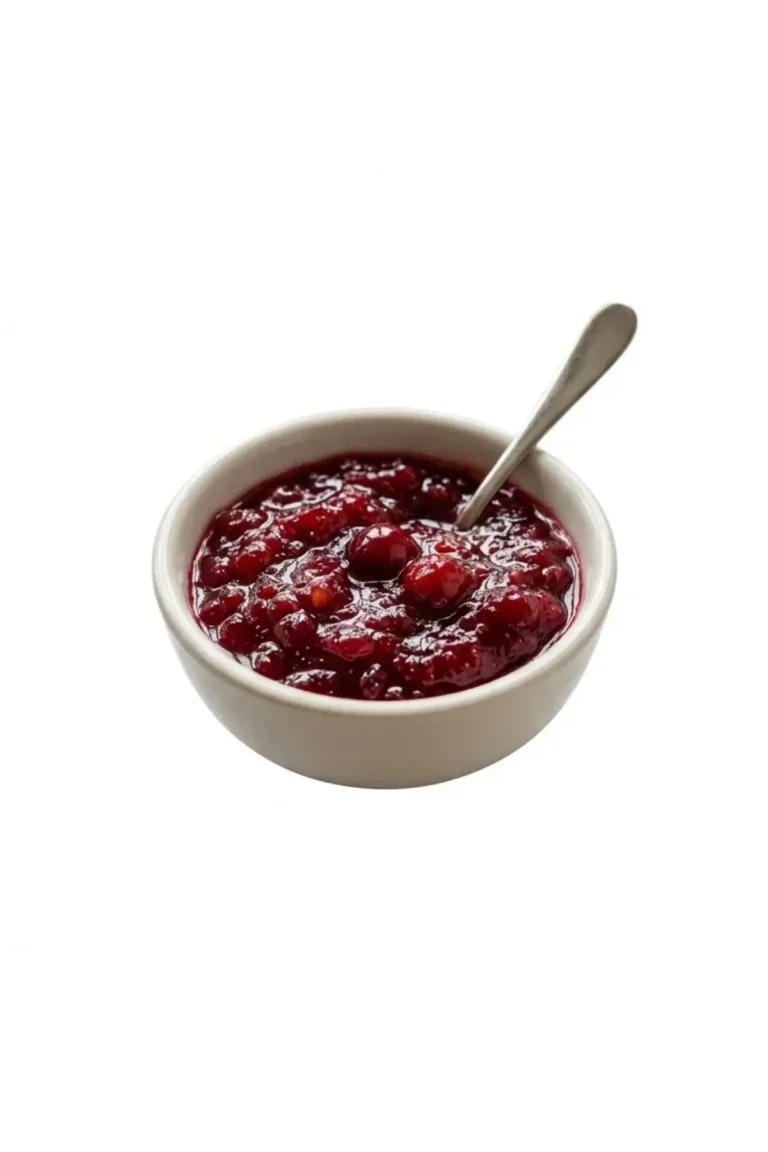
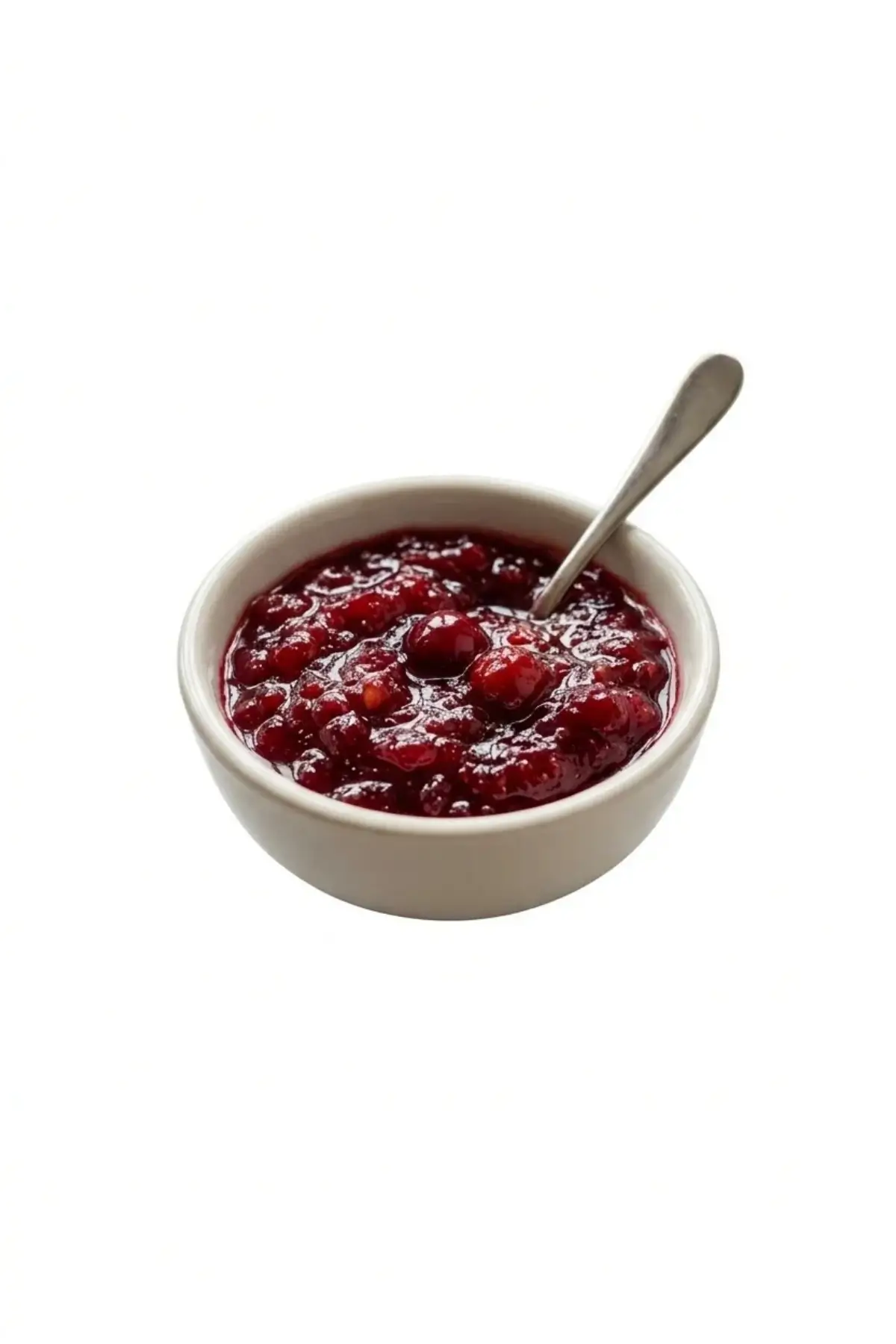
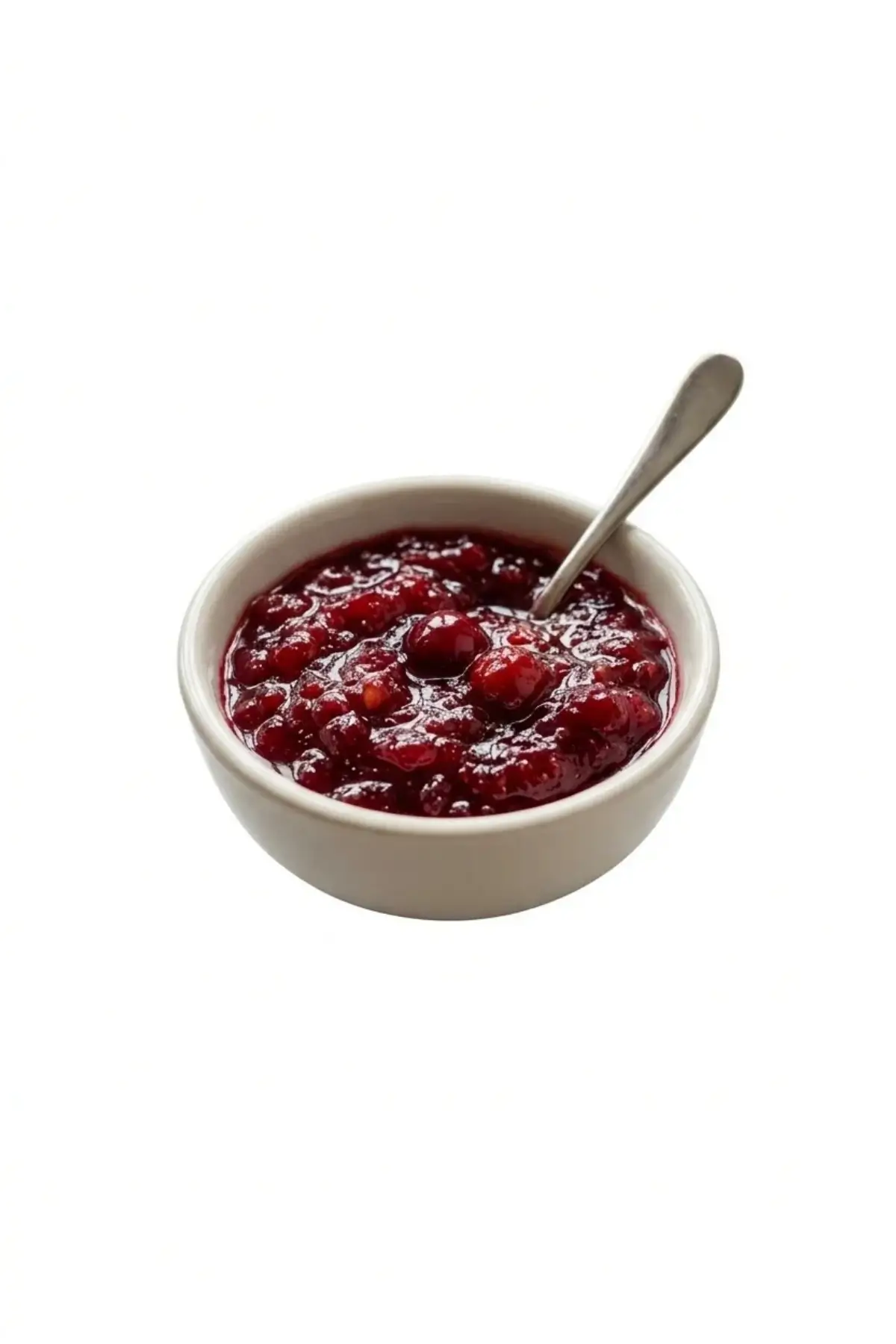
If you have ever tasted a spoonful of homemade fruit spread, you already know that no store-bought version can compare. Cranberry Jam is one of those preserves that brings together a bright, tart edge and a deep, glossy sweetness in every single bite. Many people think of cranberries only during the holiday season, but a well-made batch of Cranberry Jam deserves a place in your pantry all year long. The natural pectin in cranberries helps the mixture set beautifully, and the vibrant ruby color makes it as attractive as it is delicious. This guide will walk you through a reliable method for making Cranberry Jam at home. You will learn which ingredients to gather, how to cook them to the right consistency, how to distribute the finished Cranberry Jam into jars, and the many creative ways to enjoy it. Because the process is straightforward and the ingredient list is short, even a beginner can make a successful batch of Cranberry Jam on the first try.
Why Homemade Cranberry Jam Is Worth Making
There are countless reasons to make your own Cranberry Jam instead of picking up a jar from the grocery store. First, you control the sweetness. Many commercial versions use a large amount of sugar to balance the intense tartness of cranberries, but at home you can adjust the sugar to suit your taste. Second, the color of homemade Cranberry Jam is often more vibrant because you use fresh fruit and cook it quickly. Third, the texture is something special. When you make Cranberry Jam yourself, you can choose whether you want a silky smooth spread or a chunkier, more rustic preserve with bits of cranberry scattered throughout. Finally, a jar of homemade Cranberry Jam makes a thoughtful gift. It shows time, care, and a personal touch that store-bought products simply cannot match.
Ingredients for Cranberry Jam
Before you start, gather these simple ingredients. The quality of your fruit will directly affect the final flavor, so choose fresh cranberries that are firm, deep red, and free of soft spots. Frozen cranberries also work well if fresh ones are out of season.
- Cranberries — 4 cups (about one 12-ounce bag, but check weight; four cups is roughly 400–450 grams)
- Sugar — 2 cups (400 grams)
- Water — 1/2 cup (120 milliliters)
- Lemon juice — 2 tablespoons (about one fresh lemon)
- Powdered fruit pectin — 1.75 ounces (one standard box, optional but highly recommended for a firmer set)
The pectin is optional because cranberries contain natural pectin, but using a small amount of commercial pectin gives you a more predictable set and shortens the cooking time. If you prefer a looser, spoonable Cranberry Jam, you can leave out the pectin and cook the mixture a few minutes longer. Some home cooks also add a pinch of salt or a cinnamon stick, but the basic recipe keeps the focus on the pure, bright cranberry flavor. Always use a heavy-bottomed pan to prevent the sugary fruit mixture from scorching on the bottom. A wide, shallow pan also helps moisture evaporate more quickly, which can speed up the thickening process.
Step-by-Step Instructions for Cranberry Jam
- Prepare the cranberries. Rinse the cranberries under cold running water and pick through them. Discard any that are soft, bruised, or pale. Place the cleaned cranberries in a colander to drain while you gather the rest of your equipment. Sterilize your glass jars and lids by washing them in hot, soapy water and rinsing well. Keep them warm until you are ready to fill them.
- Combine the cranberries and water. In a large, heavy-bottomed saucepan or Dutch oven, add the rinsed cranberries and the water. Set the pan over medium-high heat and bring the mixture to a rolling boil. You will hear the cranberries begin to pop as the skins split. This popping sound is a sign that the fruit is releasing its natural pectin and juice. Stir the cranberries frequently to prevent them from sticking to the bottom of the pan.
- Cook until the berries burst. Reduce the heat to medium and simmer the cranberries for about 10 to 12 minutes, stirring frequently with a wooden spoon or silicone spatula. The cranberries should soften completely and the mixture should look like a coarse, bright red sauce. Use the back of the spoon to gently press some of the berries against the side of the pan if you want a smoother Cranberry Jam. For a more rustic texture, leave most of the berries whole or just lightly broken down.
- Add the sugar gradually. Once the cranberries have broken down, add the sugar in a steady stream while stirring constantly. Keep stirring until the sugar completely dissolves. The mixture will become glossy and darken slightly. Let it return to a gentle boil. Do not rush this step; adding all the sugar at once without stirring can cause it to clump or settle on the bottom of the pan.
- Stir in the lemon juice and pectin. Add the lemon juice and, if using, the powdered pectin. If using pectin, whisk it in quickly to prevent clumping. Continue to cook the Cranberry Jam over medium heat, stirring often, for another 5 to 10 minutes. The mixture should thicken visibly and coat the back of a spoon. The lemon juice brightens the flavor and also helps activate the natural pectin in the cranberries.
- Test the set. To check if the Cranberry Jam is ready, place a small plate in the freezer for a few minutes before you start cooking. Drop a teaspoon of hot Cranberry Jam onto the cold plate and let it sit for 30 seconds. Push it gently with your finger. If the surface wrinkles and holds its shape, the jam is set. If it is still very runny, cook for another 2 to 3 minutes and test again. Remember that the Cranberry Jam will continue to thicken as it cools, so do not overcook it.
- Remove from heat and skim. Take the pan off the heat. Use a metal spoon to skim off any foam that has collected on the surface. Foam can make the Cranberry Jam look cloudy, so removing it gives you a clearer, more jewel-like finish. If you like, stir in a small pat of butter to help dissolve any remaining foam.
- Ladle into jars. Carefully ladle the hot Cranberry Jam into clean, sterilized glass jars. Leave about 1/4 inch of headspace at the top of each jar. Wipe the rims with a clean, damp cloth to remove any drips before sealing. Place the lids on top and screw the bands on just until fingertip-tight.
- Process the jars for shelf storage. If you want to store the Cranberry Jam at room temperature, process the sealed jars in a boiling water bath for 10 minutes. Make sure the jars are covered by at least one inch of water. After processing, remove the jars and let them cool on a kitchen towel for 12 to 24 hours. Check the seals by pressing the center of each lid; if it does not flex, the jar is sealed properly. Refrigerate any unsealed jars and use them within three weeks.
How to Distribute and Store Cranberry Jam
Proper distribution and storage are essential to keep your Cranberry Jam fresh and safe to eat. If you plan to give jars as gifts, choose containers that are the right size for a single serving or a small family breakfast. Four-ounce or eight-ounce glass jars work beautifully. Make sure each jar is completely cool before you label it, and write the date on the label so the recipient knows when it was made. Store unopened, properly processed Cranberry Jam in a cool, dark pantry for up to one year. Once opened, keep the jar in the refrigerator and use it within three to four weeks. Always use a clean spoon to scoop out the Cranberry Jam to prevent introducing bacteria.
When sharing Cranberry Jam with friends or family, pack the jars in a sturdy box with padding between them. A small square of fabric tied over the lid with twine or ribbon makes the gift feel homemade and special. You can also include a small handwritten note with serving suggestions. If you are selling Cranberry Jam at a market or fair, follow your local food safety regulations for labeling and processing. Clear labels with the ingredient list and the date of production help customers trust your product. Remember that Cranberry Jam made with pectin tends to have a firmer set, so customers may expect a sliceable, spreadable texture. Keep a few jars in the refrigerator for immediate use and distribute the rest only after the seals have been checked and the jars have cooled completely.
Ideas for How to Eat Cranberry Jam
Cranberry Jam is far more versatile than the typical breakfast spread. Its balance of tart and sweet makes it a fantastic companion to both savory and sweet foods. Here are some delicious ways to enjoy it.
- Spread it on toast or biscuits. The classic use is still one of the best. A thick layer of Cranberry Jam on warm, buttered toast, flaky biscuits, or crusty sourdough makes a simple breakfast feel special. Try it on a toasted bagel with cream cheese for a quick morning upgrade.
- Pair it with cheese. Cranberry Jam shines on a cheese board. Serve it alongside sharp cheddar, brie, goat cheese, or cream cheese. The tart fruit cuts through the richness of the cheese and creates a balanced bite. Add a few crackers and fresh apple slices for an effortless appetizer.
- Use it as a glaze for meat. Warm a few spoonfuls of Cranberry Jam with a splash of water or orange juice and brush it over roasted chicken, turkey, pork chops, or baked ham during the last 15 minutes of cooking. The natural sugars caramelize into a glossy, tangy glaze that locks in moisture and adds a beautiful sheen.
- Swirl it into yogurt or oatmeal. Stir a spoonful of Cranberry Jam into plain Greek yogurt, cottage cheese, or a warm bowl of oatmeal. It adds a burst of fruit flavor without the need for extra sugar. Top with granola and fresh berries for a complete breakfast.
- Fill thumbprint cookies or pastries. Use Cranberry Jam as a filling for thumbprint cookies, Danish pastries, or filled doughnuts. Its thick consistency holds its shape during baking and delivers a concentrated cranberry flavor that pairs beautifully with buttery pastry.
- Top pancakes and waffles. Replace maple syrup with a generous spoonful of Cranberry Jam. It pairs beautifully with the buttery flavor of pancakes, waffles, and French toast. For an extra special brunch, layer it with whipped cream and fresh orange zest.
- Mix into salad dressing. Whisk a small amount of Cranberry Jam with olive oil, red wine vinegar, Dijon mustard, and a pinch of salt for a quick vinaigrette. It works especially well with salads that include nuts, apples, or roasted squash. The sweetness balances the sharpness of the vinegar.
- Serve with roasted vegetables. A tiny spoonful of Cranberry Jam stirred into roasted Brussels sprouts, sweet potatoes, or carrots adds an unexpected but welcome hint of sweetness and acidity. The glossy finish also makes the vegetables look more appealing on the plate.
- Layer it in desserts. Use Cranberry Jam between cake layers, spread it on a tart shell before adding pastry cream, or swirl it into cheesecake batter before baking. The bright flavor cuts through rich desserts and keeps them from feeling too heavy.
- Add it to sandwiches. Replace boring condiments with Cranberry Jam on a turkey or chicken sandwich. It pairs especially well with melted brie, arugula, and a little Dijon mustard. You can also use it in a grilled cheese for a sweet-tart surprise.
Conclusion
Making Cranberry Jam at home is a rewarding kitchen project that gives you a bright, flavorful preserve with a gorgeous ruby color. The process is straightforward: cook fresh cranberries with water, add sugar and lemon juice, thicken with pectin if desired, and jar the hot mixture. Because cranberries are naturally high in pectin, even a simple version of Cranberry Jam sets well and has a lovely spoonable texture. You can distribute the finished Cranberry Jam into small glass jars for gifts, or store it in your pantry to enjoy throughout the year. The many serving ideas show that Cranberry Jam belongs far beyond the holiday table. From cheese boards to meat glazes, from breakfast spreads to dessert fillings, this preserve adds a tangy, fruity note that elevates almost any dish. Once you make your first batch, you will likely find yourself reaching for a jar of homemade Cranberry Jam again and again.
Frequently Asked Questions About Cranberry Jam
Can I use frozen cranberries to make Cranberry Jam?
Yes, frozen cranberries work perfectly for Cranberry Jam. There is no need to thaw them before cooking. Simply add the frozen cranberries to the saucepan with the water and proceed as directed. Frozen cranberries may release a bit more liquid, so you might need to simmer the Cranberry Jam for an extra 2 to 3 minutes to reach the desired consistency. The flavor and color will be just as vibrant as a batch made with fresh cranberries.
Why is my Cranberry Jam too runny, and how can I fix it?
A runny Cranberry Jam usually means the mixture did not reach the proper gelling temperature or the pectin was not fully activated. To fix it, return the Cranberry Jam to a saucepan and bring it back to a full rolling boil. Cook for 3 to 5 minutes, stirring constantly, and test the set again on a chilled plate. If it still seems thin, you can whisk in a little more powdered pectin dissolved in a tablespoon of water and cook for another 2 minutes. Always remember that cranberries have natural pectin, so over time in the refrigerator the Cranberry Jam will continue to set slightly.
How long does homemade Cranberry Jam last?
Unopened, properly processed Cranberry Jam will last for up to one year in a cool, dark pantry. Once you open a jar, store it in the refrigerator and use it within three to four weeks. If you do not process the jars in a boiling water bath, keep the Cranberry Jam in the refrigerator from the start and consume it within three weeks. Always check for any signs of spoilage, such as an off smell, mold, or a bulging lid, before using.
“`