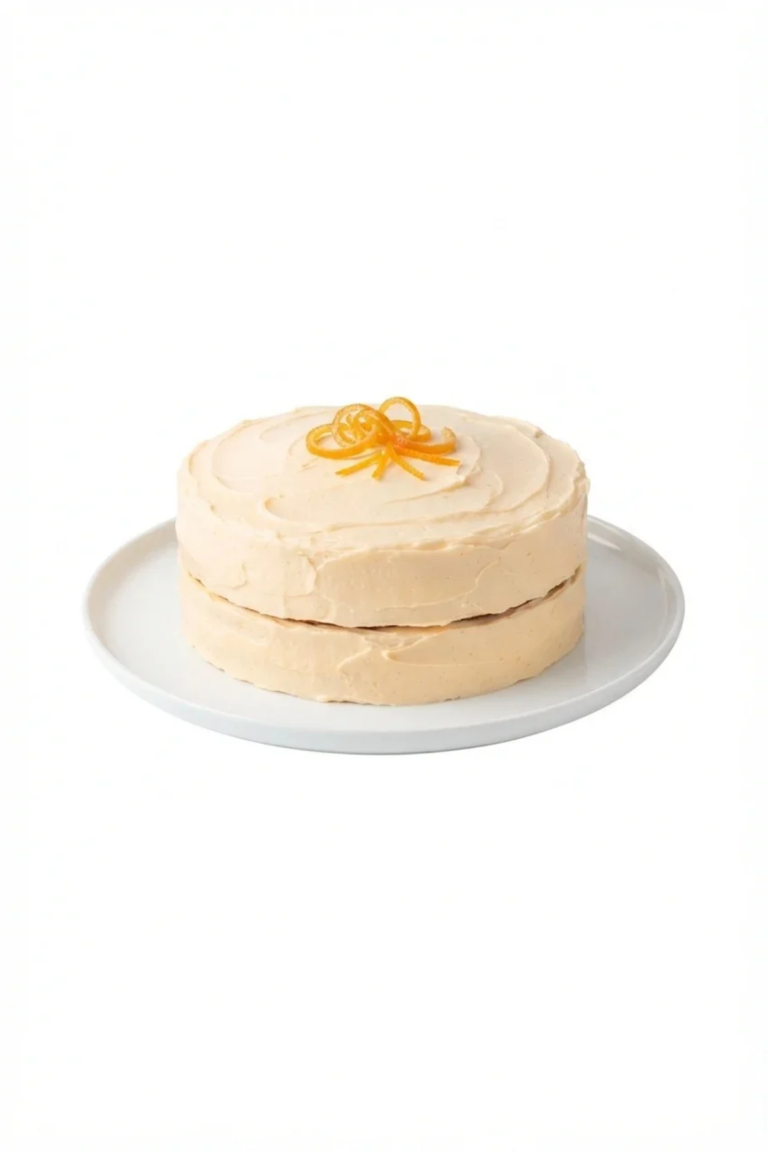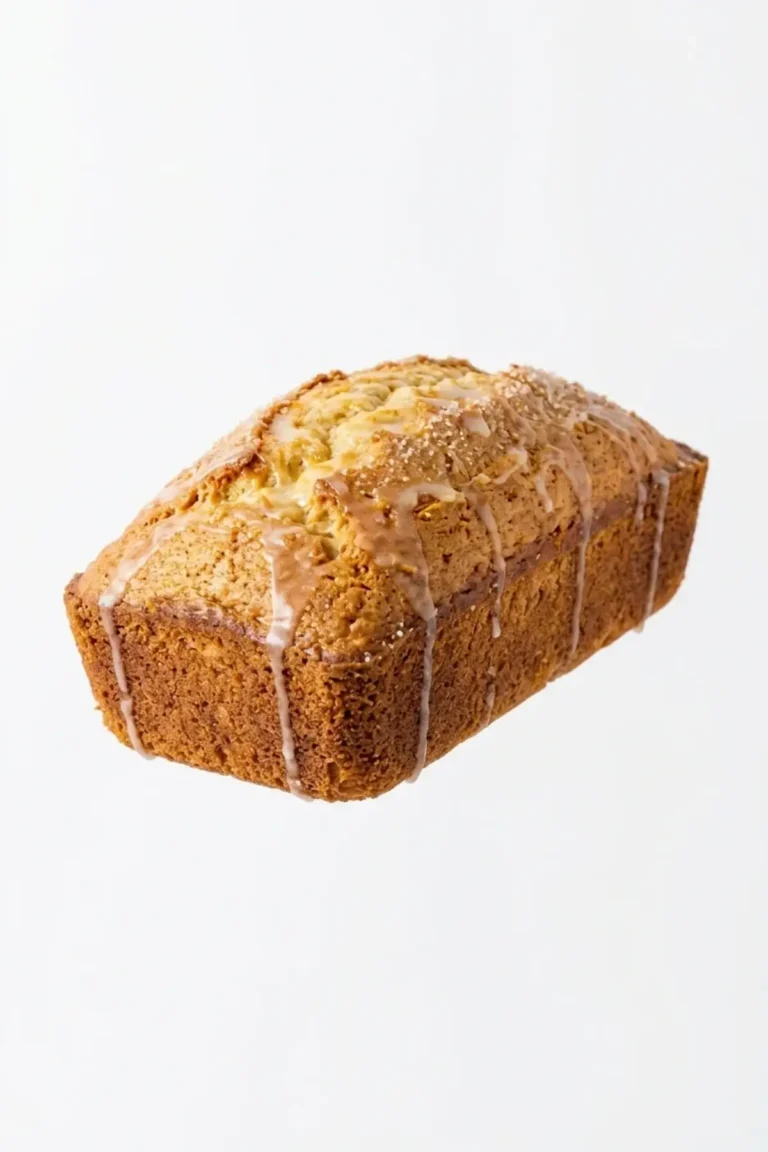
Orange Pound Cake
If you love rich, tender baked goods with bright citrus notes, this **Orange Pound Cake** brings together old-school bakery comfort and vibrant orange flavor in every slice. Inspired by classic American pound cake baking and adapted from the **Orange Pound Cake** approach featured at King Arthur Baking, this loaf delivers a fine, moist crumb and a sweet-tart finish that feels special enough for weekend brunch yet simple enough for everyday baking. Because pound cake relies on a generous ratio of butter, sugar, eggs, and flour—boosted here with citrus zest, juice, and a touch of leavening—it slices cleanly while staying soft for days.
Whether you are baking **Orange Pound Cake** for a family gathering, a holiday table, or a quiet afternoon coffee break, a few thoughtful details make all the difference. Room-temperature ingredients emulsify smoothly into a velvety batter, fresh zest and concentrated orange juice lock in aromatic citrus oils, and a crisp sugar-and-citric-acid coating adds a lively sparkle that balances the buttery richness underneath. Read on for the complete ingredient list with helpful reference links, clear step-by-step instructions, serving and distribution ideas, a wrap-up, and answers to common questions about **Orange Pound Cake**.

Ingredients for Orange Pound Cake
Gather all of your ingredients before you start and let dairy and eggs come to room temperature so your **Orange Pound Cake** batter blends evenly without curdling.
For the Sweet-Tart Topping (Optional)
- 2 tablespoons (24 g) superfine or sugar (such as baker’s special sugar)
- 1/4 teaspoon citric acid (also called sour salt)
For the Cake Batter
- 1 1/4 cups (238 g) superfine or sugar
- 14 tablespoons (198 g) unsalted butter, softened to room temperature
- 1 1/4 teaspoons table salt
- 1 1/2 teaspoons baking powder
- 2 teaspoons vanilla extract
- 1/2 teaspoon Fiori di Sicilia (optional floral citrus extract)
- Zest of 1 fresh orange (optional, for extra aroma)
- 4 large eggs, at room temperature
- 1/3 cup (85 g) frozen orange juice concentrate, thawed to room temperature
- 2 tablespoons (28 g) freshly squeezed lemon juice, at room temperature
- 2 cups (240 g) cake flour
Step-by-Step Instructions to Make Orange Pound Cake
Follow these steps carefully to build a tender crumb and golden crust for your **Orange Pound Cake**:
- Prepare the topping mixture: In a small bowl, stir together the 2 tablespoons of superfine sugar and 1/4 teaspoon of citric acid until evenly combined. Set this aside so it is ready both for coating the pan and finishing the warm cake.
- Preheat the oven and prep the pan: Preheat your oven to 325°F (165°C). Generously butter the inside of a 9″ x 5″ loaf pan or a 12″ x 4″ tea loaf pan. Sprinkle about half of the sugar-and-citric-acid topping around the buttered interior, tilting the pan so it clings evenly, and reserve the rest for later.
- Cream the butter, sugar, and aromatics: In a large mixing bowl, add the 1 1/4 cups of sugar, softened unsalted butter, salt, baking powder, vanilla extract, Fiori di Sicilia (if using), and orange zest. Beat with a hand mixer or stand mixer on medium speed until smooth, creamy, and well blended.
- Incorporate the eggs gradually: Add the 4 room-temperature eggs one at a time, beating thoroughly after each addition and scraping down the sides and bottom of the bowl as needed. Taking your time here helps keep the emulsion stable so the **Orange Pound Cake** bakes up evenly.
- Mix the citrus juices: In a small measuring cup or bowl, stir together the thawed orange juice concentrate and freshly squeezed lemon juice. The lemon juice brightens the orange flavor and keeps the citrus profile crisp rather than overly sweet.
- Alternate the flour and citrus mixture: Add about one-third of the cake flour to the butter-egg mixture and mix gently until mostly combined. Pour in about half of the orange-and-lemon juice mixture and mix briefly. Continue by adding another third of the flour, the remaining citrus juice, and finally the last of the flour, mixing just until incorporated without overworking the batter.
- Fill the pan and bake: Spoon the batter into your prepared loaf pan and smooth the top gently with a spatula. Bake at 325°F (165°C) for 60 to 70 minutes for a 9″ x 5″ loaf pan—or 50 to 60 minutes for a 12″ x 4″ tea loaf pan—until the top is golden and a toothpick inserted into the center comes out clean or with just a few moist crumbs.
- Cool briefly and apply the remaining topping: Remove the pan from the oven and let the **Orange Pound Cake** cool in the pan for 10 minutes. Gently loosen the edges with a thin knife or offset spatula and turn the loaf out onto a wire cooling rack. While the cake is still warm, rub the remaining sugar-and-citric-acid mixture evenly over the top so it adheres and creates a bright, tangy finish.
- Cool completely before slicing: Allow the cake to cool completely on the wire rack before slicing so the interior sets cleanly and holds its neat loaf shape.
How to Distribute and Share Orange Pound Cake
Because **Orange Pound Cake** has a sturdy structure and keeps well, it is an easy bake to share with neighbors, coworkers, friends, or family. How you package and distribute it depends on whether people will eat it right away or save slices for later in the week:
- Individual slice packs for gifting or office sharing: Once the loaf is completely cool, cut thick slices and wrap each one tightly in plastic wrap or parchment paper, then slip them into bakery bags or an airtight container. Labeling each pack with the bake date and a note that it contains dairy, eggs, and wheat is helpful when sharing with colleagues or neighbors.
- Whole or half loaves for visits and potlucks: For housewarming visits, brunch hosts, or family dinners, wrap the cooled **Orange Pound Cake** snugly in plastic wrap and a layer of foil, or place it inside a reusable cake tin or loaf box. Leaving the loaf whole or halved keeps the interior crumb extra moist until the host is ready to slice it.
- Make-ahead freezer distribution: If you are prepping ahead for busy weeks or holidays, wrap whole loaves or individual slices tightly in plastic wrap and place them in freezer-safe bags or containers. You can freeze **Orange Pound Cake** for up to one month, making it simple to hand out or thaw whenever guests drop by.
- Room-temperature storage guidance: When distributing a loaf meant to be eaten within a few days, advise recipients to keep it well wrapped at room temperature rather than in the refrigerator, which can dry out a butter-and-flour cake faster.
Creative Ideas for How to Eat Orange Pound Cake
One of the best things about **Orange Pound Cake** is how adaptable it is across meals and moods. Enjoy it plain with a hot beverage or dress up a slice for dessert:
- Skillet-toasted with vanilla ice cream: Lightly butter a skillet over medium heat and toast both sides of a thick slice until golden and slightly crisp around the edges, then top with a scoop of vanilla ice cream for a warm-and-cold citrus treat.
- Morning coffee or tea companion: Serve a slightly warm or room-temperature slice alongside black coffee, a cappuccino, or Earl Grey tea—the bergamot notes in Earl Grey pair naturally with orange zest and juice.
- Berries and whipped cream: Spoon lightly sweetened whipped cream, Greek yogurt, or mascarpone over a slice and crown it with fresh raspberries, blueberries, or segmented citrus for a bright brunch plate.
- Chocolate drizzle or ganache: Warm a small amount of dark or semisweet chocolate with a splash of cream or butter and drizzle it over individual plates of **Orange Pound Cake** for a classic orange-and-chocolate pairing.
- French toast style brunch: Whisk an egg with a splash of milk, vanilla, and cinnamon, dip thick day-old slices briefly into the mixture, and pan-sear until golden for an indulgent weekend breakfast.
Conclusion
This **Orange Pound Cake** hits a sweet spot between classic comfort baking and lively citrus brightness. With tender cake flour, rich butter, fragrant orange zest and juice, and that optional tangy sugar topping, every slice feels balanced, moist, and memorable. Whether you bake a loaf to keep on the counter for afternoon snacks, share wrapped slices with friends, or toast it up with ice cream for dessert, **Orange Pound Cake** is a reliable recipe you can return to year-round.
Frequently Asked Questions About Orange Pound Cake
Can I bake Orange Pound Cake without the citric acid topping?
Yes, the sugar-and-citric-acid topping is optional, though it adds a distinctive sweet-and-tart snap that highlights the citrus in **Orange Pound Cake**. If you skip it or do not have citric acid on hand, the cake itself will still bake up rich, tender, and flavorful.
How should I store leftover Orange Pound Cake so it stays moist?
Once cooled completely, wrap the **Orange Pound Cake** tightly in plastic wrap or store it in an airtight container at room temperature for several days. For longer storage, wrap it well and freeze for up to one month, then thaw at room temperature before serving.
How do I know when Orange Pound Cake is done baking?
Start checking **Orange Pound Cake** near the lower end of the baking window—around 50 minutes for a tea loaf pan or 60 minutes for a 9″ x 5″ loaf pan. It is ready when the top is nicely browned and a toothpick inserted into the thickest center comes out clean or with only a few moist crumbs attached.