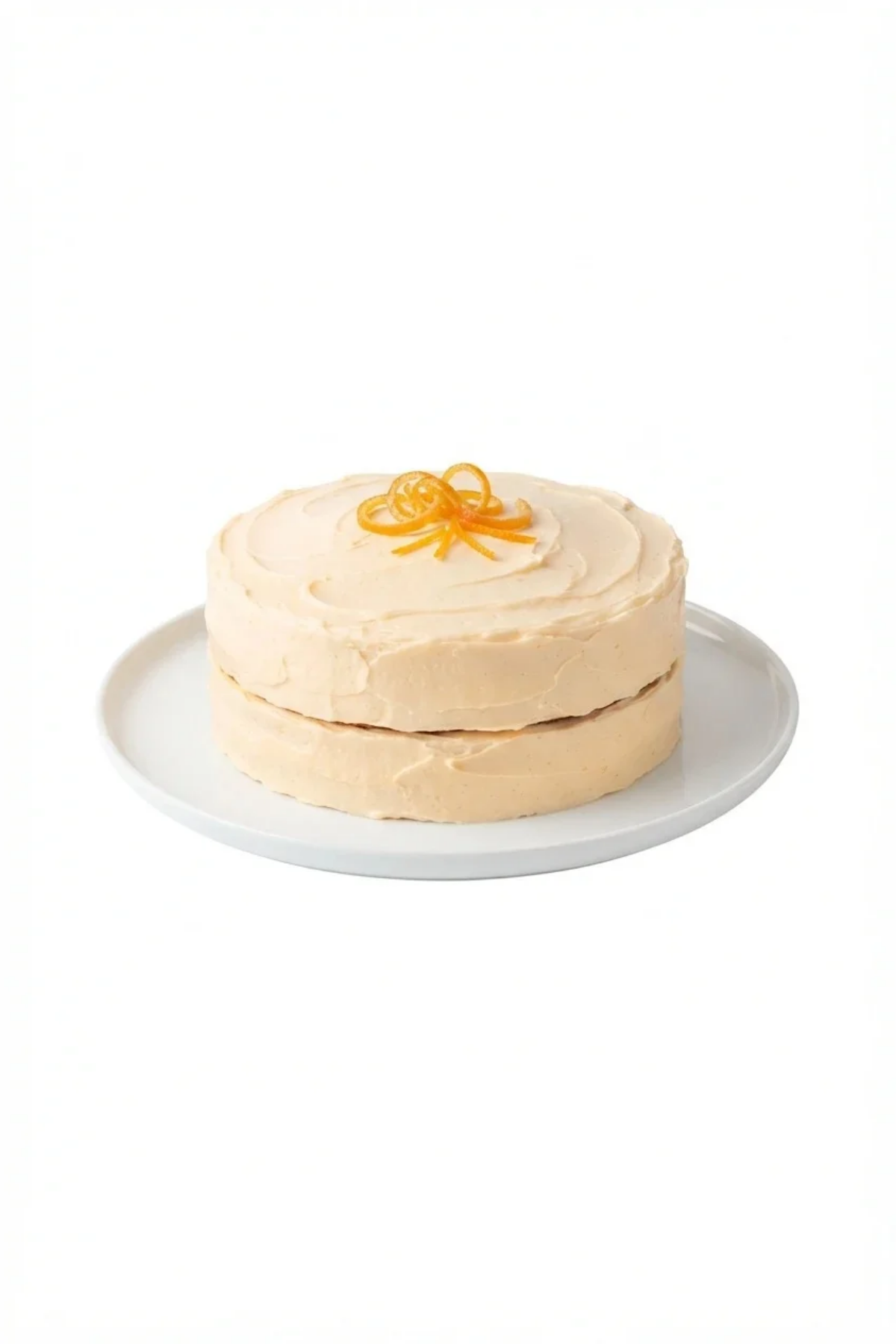
Orange Cake
Enjoy the fresh, delicious taste of homemade Orange Cake, a soft, buttery, and wonderfully moist dessert filled with the natural aroma of fresh oranges. This homemade Orange Cake combines the sweetness of a classic cake with the refreshing flavor of freshly squeezed orange juice and finely grated orange zest. Every slice offers a tender crumb, a delicate citrus fragrance, and a smooth orange glaze that makes this dessert especially inviting.
Whether you are preparing a dessert for your family, welcoming guests, celebrating a special occasion, or simply looking for something sweet to enjoy with your afternoon coffee, Orange Cake is an excellent choice. It is made with simple ingredients that are easy to find, and the preparation process is straightforward enough for beginner bakers. The combination of butter, eggs, milk, orange juice, and vanilla creates a rich yet balanced flavor that makes this cake enjoyable throughout the year.
One of the best things about Orange Cake is that it does not require complicated decorations or expensive ingredients. Fresh oranges provide most of its distinctive flavor, while a simple homemade glaze adds an attractive finish. Follow the instructions below to prepare a delicious Orange Cake with a beautiful golden exterior, a soft interior, and a refreshing citrus taste.
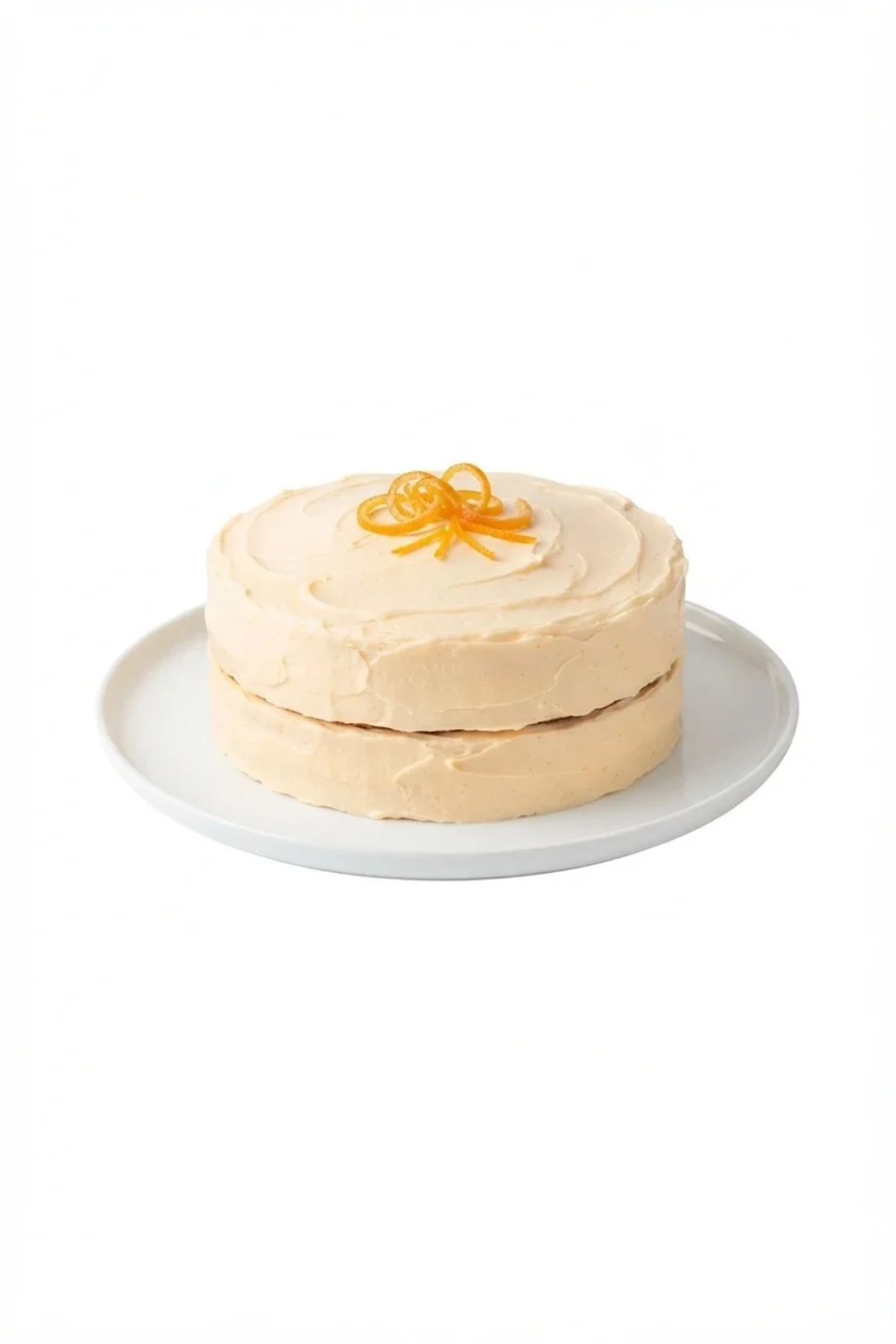
Orange Cake
Orange Cake is a classic homemade dessert that brings together the comforting richness of butter cake and the bright flavor of fresh citrus. Unlike heavily decorated cakes, this recipe focuses on natural ingredients and a delicious homemade texture. The orange juice adds moisture and flavor to the batter, while the zest provides an intense citrus aroma that makes every bite more enjoyable.
This Orange Cake is prepared in a loaf pan, making it convenient to bake, cool, slice, and serve. The batter is made by creaming softened butter with sugar, adding eggs and vanilla, and gradually incorporating the dry ingredients with milk and orange juice. Once baked, the cake is allowed to cool before receiving a smooth orange glaze made with powdered sugar and fresh orange juice.
The result is a golden cake with a tender, buttery crumb and a pleasant orange flavor. The glaze creates a delicate sweetness on the surface without hiding the natural citrus taste. You can serve Orange Cake as an everyday dessert or present it as part of a special afternoon tea, brunch, or family gathering.
Ingredients for Orange Cake
Before preparing Orange Cake, gather all the ingredients and measure them carefully. Using room-temperature butter, eggs, and milk helps the ingredients combine more evenly and produces a smoother batter. Freshly squeezed orange juice is particularly important because it gives the cake a more natural and vibrant citrus flavor.
For the Orange Cake Batter
- 1 1/2 cups all-purpose flour.
- 1 teaspoon baking powder.
- 1/8 teaspoon salt.
- 1/2 cup unsalted butter, softened to room temperature.
- 1 cup granulated sugar.
- 2 large eggs, at room temperature.
- 1 1/2 teaspoons pure vanilla extract.
- 1/4 cup freshly squeezed orange juice, divided between the batter and glaze.
- 2 tablespoons finely grated orange zest.
- 1/2 cup milk, at room temperature.
For the Orange Glaze
- 1 cup sifted powdered sugar.
- 2 tablespoons freshly squeezed orange juice.
- A little additional orange zest for decoration, if desired.
Kitchen Equipment
- One 8 x 4-inch loaf pan.
- Two mixing bowls.
- An electric hand mixer or stand mixer.
- A whisk.
- A rubber spatula.
- A citrus zester or fine grater.
- A citrus juicer.
- A cooling rack.
- A toothpick or thin wooden skewer for testing the cake.
Important ingredient tip: Choose fresh, fragrant oranges with firm skin. Wash and dry them before grating the zest. Only grate the colorful outer skin because the white layer underneath can have a bitter taste. It is also better to squeeze the oranges just before preparing the batter to preserve their fresh flavor.
How to Make Orange Cake Step by Step
Preparing Orange Cake is a simple baking process, but paying attention to the mixing technique and baking time makes a noticeable difference. Follow each step carefully to achieve a soft, evenly baked cake with a delicious orange aroma.
Step 1: Prepare the Oven and Loaf Pan
Begin by preheating your oven to 350°F (177°C). Allow the oven to reach the correct temperature before placing the cake inside. This helps the batter begin baking evenly and encourages the cake to rise properly.
Grease an 8 x 4-inch loaf pan with a little butter or nonstick cooking spray. Lightly dust the pan with flour, then tap out any excess. You can also line the bottom and sides with parchment paper, leaving a little paper overhanging the edges to make removing the finished Orange Cake easier.
Preparing the pan properly prevents the cake from sticking and helps preserve its shape when you transfer it to a cooling rack.
Step 2: Combine the Dry Ingredients
In a medium-sized mixing bowl, add the all-purpose flour, baking powder, and salt. Whisk the ingredients together until they are evenly distributed.
This step is important because it helps spread the baking powder throughout the flour. Even distribution encourages the cake to rise consistently instead of developing uneven areas during baking.
Set the bowl aside while preparing the wet ingredients. If your flour contains small lumps, sift it before measuring or combining it with the other ingredients.
Step 3: Cream the Butter and Sugar
Place the softened butter and granulated sugar in a large mixing bowl. Using an electric mixer on medium speed, beat them together for approximately 3 to 4 minutes, until the mixture becomes pale, creamy, and fluffy.
This process incorporates small air bubbles into the butter and sugar, helping create a lighter texture in the finished Orange Cake. Make sure the butter is softened but not melted. Butter that is too warm can make the batter greasy and affect the final structure.
Occasionally scrape down the sides and bottom of the bowl with a rubber spatula to ensure everything is evenly mixed.
Step 4: Add the Eggs and Vanilla
Add the eggs one at a time, beating after each addition until incorporated. Adding the eggs gradually helps maintain a smooth mixture and allows them to blend properly with the butter and sugar.
Next, pour in the vanilla extract and continue mixing until combined. The vanilla provides a gentle background flavor that complements the fresh orange without overpowering it.
If the mixture looks slightly separated or curdled, do not worry. This can happen when ingredients have different temperatures. The batter should become more cohesive as you incorporate the flour mixture.
Step 5: Add the Orange Juice and Zest
Pour approximately 2 tablespoons of freshly squeezed orange juice into the wet mixture. Add the finely grated orange zest as well.
Mix gently until the orange juice and zest are distributed throughout the batter. At this stage, the kitchen should begin to fill with a pleasant citrus fragrance.
Fresh orange zest is particularly important because it contains aromatic oils that provide a concentrated orange flavor. Using both juice and zest gives Orange Cake a more complete citrus taste than relying on juice alone.
Step 6: Incorporate the Flour and Milk
Reduce the mixer speed to low. Begin adding the dry flour mixture in small portions, alternating with the milk. Start with some of the flour mixture, add part of the milk, and continue alternating until everything has been incorporated.
Mix only until the ingredients are combined. Avoid beating the batter for too long because excessive mixing can develop the gluten in the flour and produce a dense or chewy cake.
Use a rubber spatula to scrape the bottom and sides of the bowl. Gently fold any remaining flour into the batter by hand.
The finished batter should be smooth, thick, and easy to spread. It should not contain visible pockets of dry flour.
Step 7: Transfer the Batter to the Pan
Pour the prepared batter into the greased and lined loaf pan. Use a spatula to spread it evenly from one side to the other.
Gently smooth the surface so the cake has an even starting point for baking. If you notice large air pockets, lightly tap the pan against the countertop once or twice.
Do not fill the loaf pan completely to the top. The batter needs enough space to rise during baking without overflowing.
Step 8: Bake the Orange Cake
Place the loaf pan on the middle rack of the preheated oven. Bake for approximately 40 to 45 minutes, depending on your oven and the material of your baking pan.
During baking, the cake will gradually rise and develop a golden-brown surface. The center should become firm while the inside remains moist and tender.
To check whether the Orange Cake is ready, insert a toothpick into the center. If it comes out clean or with a few dry crumbs, the cake is finished. If wet batter remains on the toothpick, continue baking for a few more minutes and check again.
Avoid opening the oven door too frequently during the first 30 minutes because sudden temperature changes can affect the cake’s rise.
Step 9: Cool the Cake Properly
Remove the pan from the oven and place it on a heat-resistant surface. Allow the Orange Cake to cool inside the pan for approximately 10 minutes.
Carefully loosen the edges with a thin knife if necessary. Lift the cake out using the parchment paper or gently turn it onto a wire cooling rack.
Allow it to cool completely before adding the glaze. This is an important step because icing a warm cake can cause the glaze to melt, become too thin, and run off the surface.
Step 10: Prepare the Orange Glaze
While the cake cools, prepare the orange glaze. Place the sifted powdered sugar in a small mixing bowl and gradually add the remaining 2 tablespoons of fresh orange juice.
Whisk the mixture until it becomes smooth and glossy. The consistency should be thick enough to coat a spoon but thin enough to drizzle over the cake.
If the glaze is too thick, add a few drops of orange juice. If it is too thin, incorporate a little more powdered sugar until the desired consistency is reached.
For a stronger citrus aroma, add a small amount of finely grated orange zest. This also gives the glaze a more attractive homemade appearance.
Step 11: Glaze and Finish the Orange Cake
Once the cake has cooled completely, place it on a serving plate or keep it on the cooling rack with a tray underneath.
Slowly drizzle the prepared orange glaze over the top, allowing some of it to naturally flow down the sides. You can use a spoon to create decorative lines or spread a thin layer across the entire surface.
Finish with a small amount of fresh orange zest if desired. Allow the glaze to set for approximately 15 to 20 minutes before slicing.
Your homemade Orange Cake is now ready to serve. The combination of its golden crust, soft interior, and sweet citrus glaze makes it a delicious dessert for almost any occasion.
How to Distribute and Serve Orange Cake
Presenting Orange Cake properly can make a simple homemade dessert look beautiful and inviting. Since this cake is prepared in a loaf pan, it is naturally easy to divide into individual portions and distribute among family members or guests.
For the cleanest slices, use a sharp serrated knife and wait until the glaze has completely set. Cut the cake into approximately 8 to 10 even slices, depending on how thick you want each portion to be.
Wipe the knife between cuts if you want neat slices without excess glaze sticking to the blade. Place the portions on small dessert plates and serve with a fork or dessert spoon.
For a more elegant presentation, arrange the slices on a long serving platter. Add a few thin orange slices or small pieces of orange zest around the cake. These simple decorations reinforce the citrus flavor and make the dessert more visually appealing.
If you are serving Orange Cake at a gathering, consider arranging the slices in a slightly overlapping pattern. You can also place a small bowl of additional orange glaze nearby so guests can add a little more sweetness if they prefer.
Ideas for Eating Orange Cake
Orange Cake is delicious on its own, but there are several ways to enjoy it and create different dessert combinations. Its fresh citrus flavor works particularly well with creamy, fruity, and lightly sweet accompaniments.
1. Enjoy Orange Cake with Coffee
One of the simplest ways to enjoy Orange Cake is with a cup of freshly brewed coffee. The slightly bitter taste of coffee balances the sweetness of the glaze, while the orange flavor provides a refreshing contrast.
Serve a slice alongside espresso, cappuccino, or regular black coffee for a satisfying afternoon treat.
2. Serve It with Tea
Orange Cake pairs beautifully with different types of tea. Black tea, Earl Grey, green tea, and herbal tea are all excellent choices.
The citrus aroma complements the natural fragrance of tea, making this combination particularly enjoyable during breakfast or afternoon tea.
3. Add Fresh Fruits
For a lighter and more colorful dessert, serve Orange Cake with fresh strawberries, blueberries, raspberries, or additional orange segments.
The natural sweetness and slight acidity of fresh fruit create a pleasant contrast with the buttery texture of the cake. You can arrange the fruit beside each slice or create a small fruit salad to serve as an accompaniment.
4. Serve with Whipped Cream
If you prefer a richer dessert, add a spoonful of lightly sweetened whipped cream beside each slice of Orange Cake.
The creamy texture complements the soft cake and creates a delicious balance with the fresh orange flavor. For extra presentation, add a little orange zest over the whipped cream.
5. Combine It with Vanilla Ice Cream
A slice of Orange Cake served with vanilla ice cream makes a wonderful dessert, especially after lunch or dinner.
The cool, creamy ice cream contrasts with the soft texture of the cake. You can serve the cake at room temperature or warm a slice slightly before adding the ice cream.
6. Enjoy It as a Breakfast Treat
Orange Cake can also be enjoyed as part of a relaxed breakfast or weekend brunch. Serve a small slice with yogurt, fresh fruit, and a warm beverage.
Its convenient loaf shape makes it easy to prepare ahead of time and serve without additional preparation in the morning.
Tips for Making the Best Orange Cake
A few simple baking techniques can help improve the flavor and texture of Orange Cake. Keep these recommendations in mind when preparing the recipe:
- Use room-temperature ingredients: Softened butter, eggs, and milk combine more easily and help create a smoother batter.
- Choose fresh oranges: Freshly squeezed orange juice and freshly grated zest provide a more natural citrus flavor.
- Measure the flour carefully: Too much flour can make the cake dry and heavy. Spoon flour into your measuring cup and level it rather than packing it down.
- Do not overmix: Once the flour has been incorporated, stop mixing to maintain a tender texture.
- Check the cake before removing it: Baking times can vary between ovens, so always use the toothpick test.
- Let the cake cool completely: Adding glaze to a hot cake can cause it to melt and disappear into the surface.
- Adjust the glaze gradually: Add orange juice a little at a time to achieve a smooth consistency that drizzles beautifully.
How to Store Orange Cake
Proper storage helps maintain the freshness and softness of Orange Cake after baking. If you have leftovers, allow the glaze to set completely before covering the cake.
At room temperature, store Orange Cake in an airtight container for up to 2 days, provided the room is reasonably cool. Keep it away from direct sunlight, heat, and moisture.
For longer storage, place the cake in an airtight container and refrigerate it for up to 5 days. Before serving, allow refrigerated slices to sit at room temperature for approximately 20 to 30 minutes. This helps soften the butter in the cake and restores its pleasant texture.
You can also freeze Orange Cake for longer storage. For best results, freeze it without the glaze. Wrap the completely cooled cake tightly in plastic wrap, followed by a layer of aluminum foil, and place it in a freezer-safe container.
Frozen Orange Cake can be stored for approximately 2 to 3 months. When you want to enjoy it, thaw it overnight in the refrigerator or allow it to defrost at room temperature while still wrapped. Prepare fresh orange glaze after thawing for the best appearance and flavor.
Conclusion
Orange Cake is a delicious homemade dessert that proves simple ingredients can create something truly special. With its buttery texture, soft crumb, refreshing orange aroma, and sweet homemade glaze, this cake is an excellent addition to your collection of everyday baking recipes.
Whether you serve Orange Cake with coffee, tea, fresh fruit, whipped cream, or vanilla ice cream, it offers a pleasant combination of sweetness and citrus flavor. Its straightforward preparation makes it suitable for beginner bakers, while its beautiful presentation makes it appropriate for family gatherings, celebrations, and weekend treats.
Remember to use fresh oranges, measure your ingredients accurately, avoid overmixing the batter, and allow the cake to cool before adding the glaze. These small details will help you achieve a delicious result every time.
Prepare this Orange Cake at home, share it with your loved ones, and enjoy a fresh, homemade dessert that brings a little citrus brightness to your table.
Frequently Asked Questions About Orange Cake
1. Can I Make Orange Cake Without Fresh Orange Juice?
Yes, you can prepare Orange Cake using good-quality orange juice if fresh oranges are unavailable. However, freshly squeezed orange juice is recommended because it provides a more natural and vibrant citrus flavor. You should also try to use fresh orange zest whenever possible, as it contains aromatic oils that give the cake its distinctive orange fragrance. If you use packaged juice, choose an unsweetened variety and avoid adding additional sugar to compensate for its flavor.
2. Why Is My Orange Cake Dry or Dense?
Orange Cake can become dry if too much flour is added, if the batter is overmixed, or if the cake remains in the oven for too long. Measuring the flour accurately is essential for achieving a soft texture. You should also stop mixing as soon as the dry ingredients are incorporated. Check the cake a few minutes before the recommended baking time because ovens can vary. Using room-temperature ingredients and following the correct baking instructions will help produce a tender and moist cake.
3. Can I Prepare Orange Cake in Advance?
Yes, Orange Cake is an excellent dessert to prepare in advance. You can bake it a day before serving, allow it to cool completely, and store it in an airtight container at room temperature for up to 2 days. For the freshest presentation, prepare the orange glaze shortly before serving. If you need to prepare the cake several days ahead, refrigerate it or freeze it without the glaze. Allow frozen cake to thaw completely before decorating and serving.