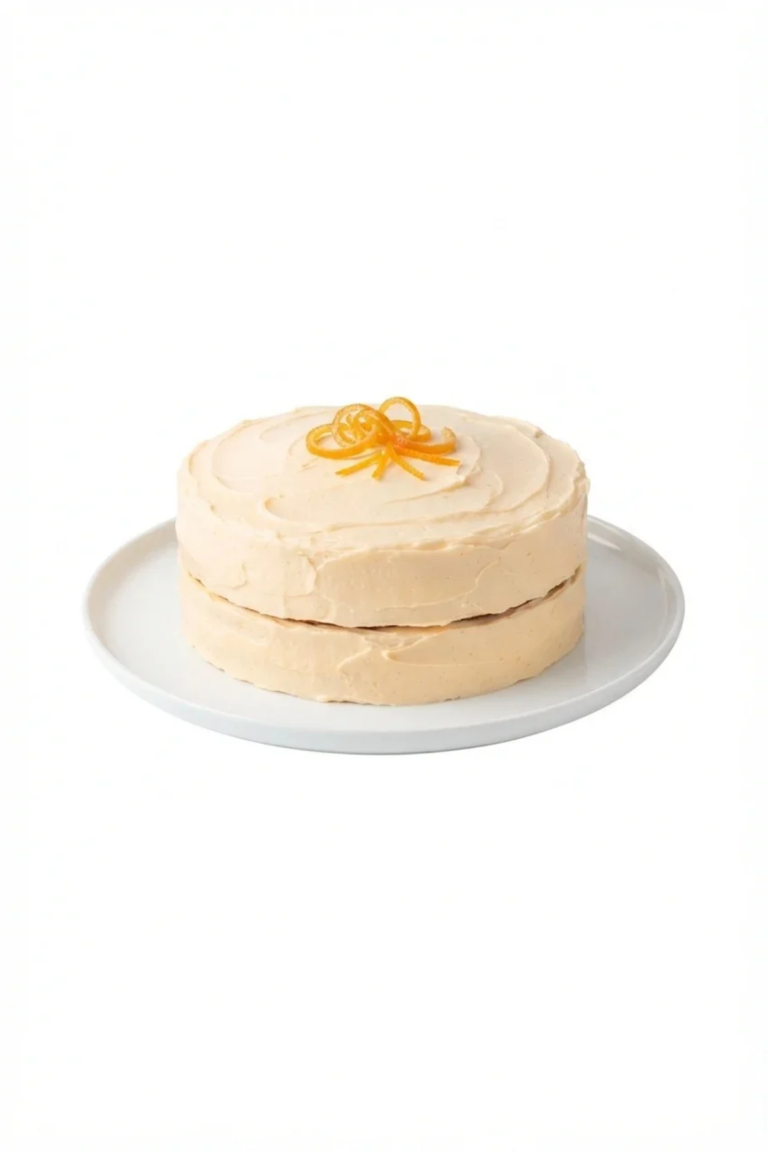
Orange Loaf Cake
Few bakes bring as much warmth and brightness to a kitchen as a homemade Orange Loaf Cake. When citrus zest, fresh juice, and subtle floral or vanilla notes come together in a tender crumb, even an ordinary morning feels elevated. Inspired by classic citrus baking traditions and the bright profile of floral orange baking, this Orange Loaf Cake delivers a moist interior, a golden crust, and a delicate citrus glaze that slices cleanly for breakfast, afternoon tea, or casual gatherings.
Whether you are baking for a weekend brunch or keeping a reliable loaf on the counter for busy weekdays, mastering a great Orange Loaf Cake comes down to balancing moisture, acidity, and gentle mixing. Freshly grated zest releases aromatic essential oils that bottled flavorings cannot replicate, while a bright citrus glaze finishes the loaf with just enough sweetness and tang.
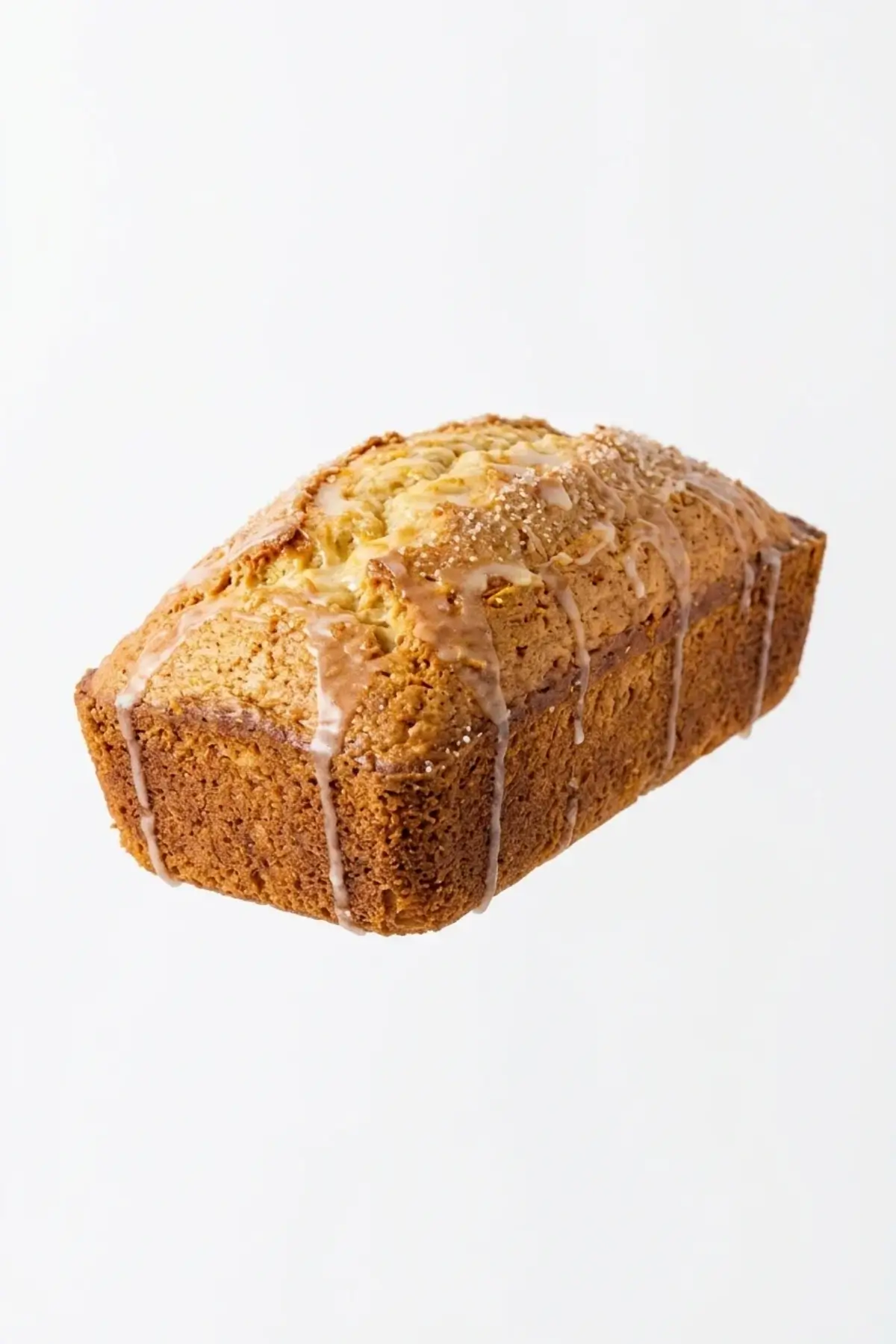
Why This Orange Loaf Cake Works So Well
A common mistake with citrus loaf cakes is relying solely on orange juice for flavor. Juice adds liquid and mild acidity, but the true signature aroma of an Orange Loaf Cake lives in the colorful outer peel. Rubbing fresh zest directly into sugar helps release natural citrus oils before the rest of the batter is mixed, infusing every bite with an unmistakable bakery aroma.
Pairing butter and a touch of neutral oil or milk keeps the crumb soft without turning heavy. When baked at a moderate temperature, the batter rises evenly, forms a crisp golden top, and stays moist for days when stored properly. The optional glaze adds a clean finish that highlights the citrus notes while sealing in freshness.
Ingredients for Orange Loaf Cake
Gather your ingredients ahead of time and bring refrigerated items close to room temperature so the batter emulsifies smoothly. Each ingredient below links to its corresponding Wikipedia page for quick reference:
- 1 3/4 cups (210 g) all-purpose flour
- 1/4 cup (30 g) cornstarch (helps create a tender crumb)
- 2 teaspoons baking powder
- 1/2 teaspoon fine salt
- 3/4 cup (170 g) unsalted butter, softened to room temperature
- 1 cup (200 g) granulated sugar
- 2 tablespoons freshly grated orange zest (from about 2 medium oranges)
- 3 large eggs, at room temperature
- 1/2 cup (120 ml) freshly squeezed orange juice
- 1/3 cup (80 ml) whole milk or sour cream
- 1 teaspoon vanilla extract (optional: 1/2 teaspoon orange blossom water for floral aroma)
Optional Citrus Glaze
- 1 cup (120 g) powdered sugar, sifted
- 1 1/2 to 2 tablespoons freshly squeezed orange juice
- 1 teaspoon orange zest for garnish
Step-by-Step Instructions to Make Orange Loaf Cake
- Prep the oven and pan: Preheat your oven to 350°F (175°C). Grease an 8.5 x 4.5-inch or 9 x 5-inch loaf pan lightly and line the bottom and long sides with parchment paper, leaving a slight overhang so you can lift the Orange Loaf Cake out easily after baking.
- Whisk the dry ingredients: In a medium bowl, whisk together the all-purpose flour, cornstarch, baking powder, and salt until evenly combined. Setting this dry mix aside prevents overworking the batter later.
- Infuse the sugar with zest: Place the granulated sugar and fresh orange zest in a large mixing bowl. Rub them together with your fingertips or a spoon for about 30 seconds until the sugar looks damp, fragrant, and lightly tinted.
- Cream the butter and sugar: Add the softened butter to the citrus sugar. Beat on medium speed for 2 to 3 minutes until pale, creamy, and slightly fluffy.
- Add the eggs: Add the eggs one at a time, beating well after each addition and scraping down the sides of the bowl as needed so the mixture stays smooth and unified.
- Combine liquid aromatics: Stir the fresh orange juice, milk or sour cream, and vanilla extract (plus orange blossom water if using) together in a measuring cup.
- Alternate wet and dry additions: With the mixer on low speed, add about one-third of the dry ingredients, followed by half of the orange juice mixture. Repeat with the next third of the dry ingredients, the remaining liquid, and finish with the final third of the dry mixture. Stop mixing as soon as no flour streaks remain so your Orange Loaf Cake stays tender rather than dense.
- Fill and smooth the batter: Spoon the batter into your prepared loaf pan and smooth the top with a spatula. Tap the pan gently on the counter once or twice to release large trapped air pockets.
- Bake until golden and set: Bake for 50 to 65 minutes (start checking around 45 minutes if using a smaller or darker pan). The top should be golden brown, a crack down the center is normal, and a toothpick or thin skewer inserted into the center should come out clean or with just a few moist crumbs. If the top browns quickly before the center finishes baking, tent loosely with foil for the final 10 to 15 minutes.
- Cool thoroughly: Let the Orange Loaf Cake cool in the pan for 15 to 20 minutes, then use the parchment overhang to transfer it to a wire rack. Cool completely before glazing so the icing does not melt and slide off.
- Glaze and finish: Whisk the sifted powdered sugar and 1 1/2 tablespoons of orange juice in a small bowl until smooth, adding a few extra drops of juice if too thick or more powdered sugar if too thin. Spoon or drizzle the glaze over the cooled Orange Loaf Cake, sprinkle with extra orange zest, and let it set for 15 to 20 minutes before slicing.
How to Distribute and Store Orange Loaf Cake
Because an Orange Loaf Cake holds its structure well and carries bright, comforting flavor, it is an easy bake to share, pack, or store for the week. If you are sharing portions with family, coworkers, or neighbors, slice the loaf into thick, even pieces once it has cooled completely so each slice has a balanced portion of crust and crumb.
For gifting or distributing individual servings, wrap each slice tightly in parchment paper or wax paper and place it inside a bakery box, tin, or resealable bag. Whole loaves can be wrapped in plastic wrap or stored in an airtight container at room temperature for up to 3 to 4 days. For longer storage, wrap the cooled loaf or individual slices tightly and freeze for up to 2 months, then thaw at room temperature before serving.
Creative Ideas for How to Eat Orange Loaf Cake
A slice of Orange Loaf Cake is delicious plain, yet small pairings and serving twists can turn it into a centerpiece for different meals throughout the day:
- Morning coffee or espresso pairing: Serve a slightly warm or room-temperature slice alongside a cappuccino, Americano, or café au lait. The bright citrus notes cut cleanly through rich coffee and roasted flavors.
- Afternoon tea spread: Pair thin slices with black tea, Earl Grey, or herbal mint tea. A smear of softened butter or whipped mascarpone adds a rich contrast to the sweet citrus glaze.
- Yogurt and fruit bowl: Cube leftover Orange Loaf Cake and layer it with plain or vanilla Greek yogurt, fresh berries, and toasted almonds for a quick brunch parfait.
- Citrus French toast twist: Cut day-old slices into thick slabs, dip lightly in an egg-and-milk custard, and pan-sear in butter until crisp outside and custardy inside.
- Light evening dessert: Top a slice with a spoonful of whipped cream, a few segments of fresh orange or blood orange, or a drizzle of dark chocolate sauce for an easy finish after dinner.
Conclusion
A homemade Orange Loaf Cake proves that simple pantry staples can produce a bake full of character, aroma, and everyday comfort. By taking a minute to rub fresh zest into the sugar, mixing gently once the flour goes in, and letting the loaf cool before glazing, you get a moist citrus cake that shines on its own or dressed up for guests. Keep this Orange Loaf Cake in your regular baking rotation whenever you want a bright, dependable loaf that feels welcoming from the first slice to the last.
Frequently Asked Questions About Orange Loaf Cake
1. Why did my Orange Loaf Cake turn out dry or dense?
Overmixing the batter once flour is added develops too much gluten, while baking slightly too long or using too much flour can dry out the crumb. Measure flour carefully by spooning it into the measuring cup and leveling it off rather than scooping directly from the bag, mix just until combined, and check for doneness a few minutes before the end of the baking window.
2. Can I make Orange Loaf Cake without a glaze?
Yes, you can easily serve the Orange Loaf Cake unglazed for a less sweet, more classic tea-cake finish. If you want subtle sweetness without a liquid glaze, dust the cooled top lightly with powdered sugar right before slicing and serving.
3. Can I substitute bottled orange juice or add other citrus flavors?
Freshly squeezed orange juice and fresh zest give the brightest flavor, though bottled juice works in a pinch if you still use fresh zest for aroma. You can also swap part of the orange zest for lemon or lime zest, or add a small pinch of ground cardamom or cinnamon for extra warmth.